Everlywell Food Sensitivity Test Review: Does It Really Work?

Food sensitivities are becoming a more common issue as people try to understand unexplained symptoms like bloating, fatigue, and digestive discomfort that may be linked to certain foods. Unlike food allergies, these reactions are often delayed and harder to identify.
At the same time, at-home health testing kits are gaining popularity as they offer a simple and private way to learn more about your health without visiting a clinic. Let’s take a closer look at Everlywell’s Food Sensitivity Test to see what it offers and whether it can actually help identify possible food triggers.
Complete Overview of Everlywell Food Sensitivity Test
The Food Sensitivity Test is one of the most popular products of Everlywell. It`s mainly noticeable among people trying to understand digestive discomfort or possible food-related triggers. The test works by measuring your body’s IgG antibody response to certain foods. The IgG is a type of immune protein your body produces when it is exposed to foods over time.
Everlywell suggests that higher IgG reactivity to specific foods may indicate a potential sensitivity, which could be explored further through an elimination diet approach. It’s important to note, though, that this test is not designed to diagnose food allergies or medical conditions like celiac disease.
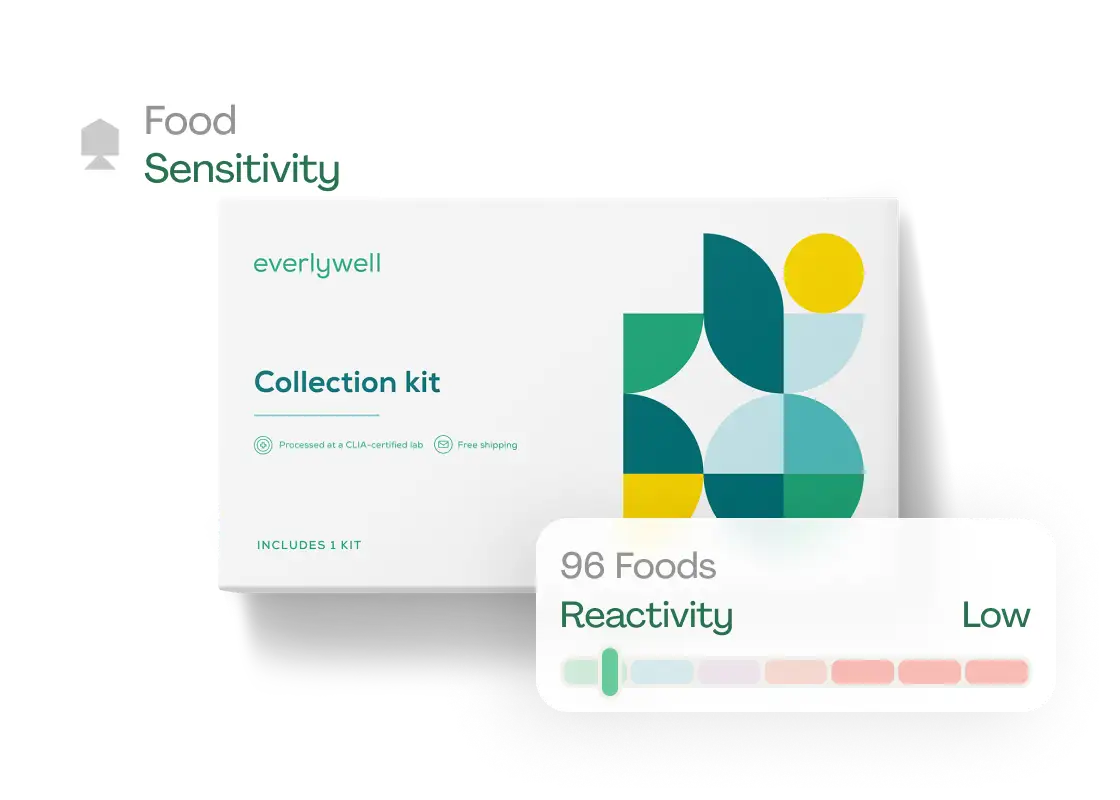
The food panel included in the test is fairly broad, covering around 96 to 204 foods, depending on the version, and spans major categories such as dairy, eggs, fruits, vegetables, grains, legumes, meats, seafood, nuts, seeds, and common spices. This wide range is meant to give users a general overview of how their body may be reacting across everyday foods rather than focusing on just a few items.
How the Everlywell Food Sensitivity Test Works
Here is how the Everlywell food sensitivity test works.
Ordering the Test
The process begins with ordering the Everlywell Food Sensitivity Test online. Once purchased, the kit is shipped to your home and includes everything you need to get started, along with clear instructions for registration.
Collecting the Sample
After registering the kit, you take a small finger-prick blood sample using the provided lancet. A few drops of blood are placed on a collection card, which is then left to dry before being securely packaged for return.
Lab Analysis
Once the sample reaches the lab, it is analyzed for IgG antibody reactions to a wide range of foods. The results are reviewed for quality before being processed into your personal report.
Receiving Your Results
Your results are delivered digitally through your Everlywell account. The report breaks down your reactivity levels to different foods in an easy-to-read format, often using categories to show low, moderate, or high responses.
Ease of Use and Convenience
One of the main advantages of this test is how simple it is to use. Everything, from sample collection to result delivery, can be done at home without scheduling appointments or visiting a lab. This convenience is a major reason why at-home testing kits like this have become so popular.
Pros and Cons of the Everlywell Food Sensitivity Test
Here are some of the pros and cons of the Everlywell food sensitivity test that you need to know.
Pros
Easy at-home testing with a simple finger-prick sample
No need for doctor visits or lab appointments
A wide range of foods is included in the panel
Quick digital results with clear categorization
Convenient for people wanting initial dietary insights
Cons
IgG testing not widely accepted for diagnosing sensitivities
Results can be misinterpreted as allergies
May lead to unnecessary food restrictions
Doesn’t diagnose medical conditions or true food allergies
Limited clinical guidance in interpreting results
FAQs
What’s the Difference Between a Food Allergy and a Food Sensitivity?
Food allergies involve an immediate immune response (often IgE-mediated), while sensitivities are delayed and less clearly defined, often involving digestive discomfort or inflammation.
Can I Trust the Food Elimination Recommendations from the Results?
They should be interpreted cautiously. Many experts recommend confirming results with a healthcare provider before making major diet changes.
What Should I Do after Getting My Results?
It’s best to review the results carefully, consider an elimination diet approach, and consult a registered dietitian or doctor before making significant dietary changes.
The Everlywell Food Sensitivity Test offers a convenient at-home option for people who want to explore possible food triggers behind symptoms like bloating, fatigue, or digestive discomfort, but its usefulness should be viewed with caution. For people who feel unsure about what may be triggering their symptoms, it can serve as a useful starting point for identifying patterns and guiding healthier eating habits. You can even get an Everlywell discount code for more discounted testing.
Stay tuned to ShoneRight for more information about Everlywell.
Leave A Comment
Your email address will not be published. Required fields are marked *